Inconsistent Cuts or Vibration on a Molder
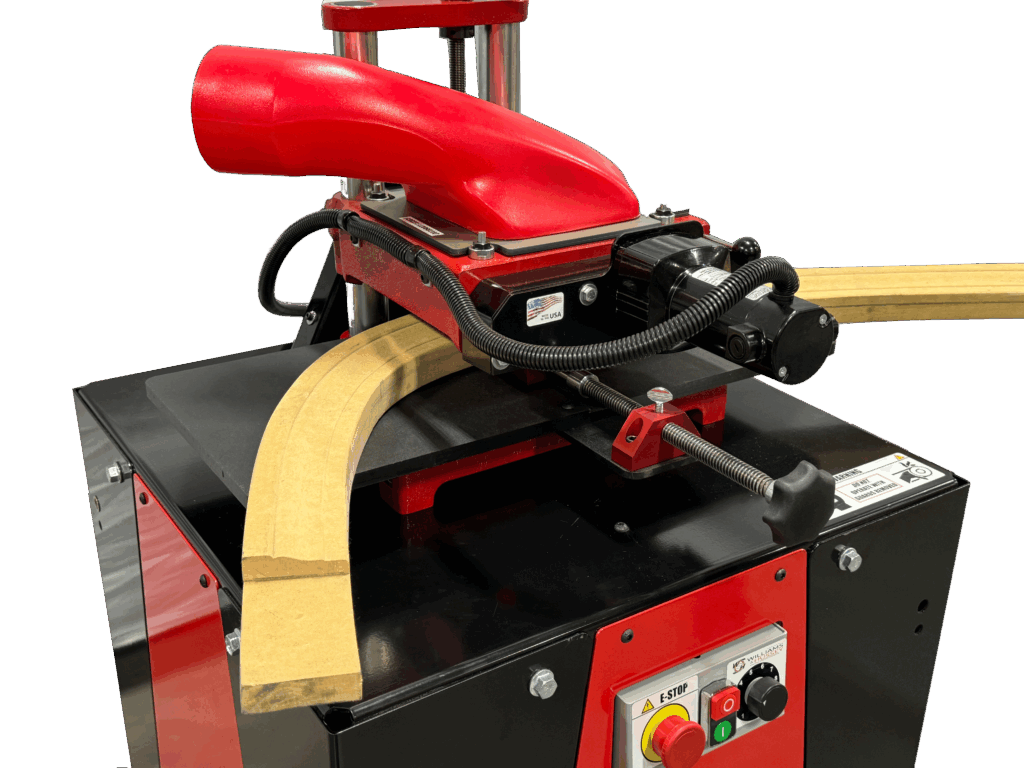
If you’re experiencing inconsistent cuts or vibration on a molder, the issue is often related to setup, support, or how material is being fed through the machine. These problems can affect finish quality, create chatter, or cause visible defects like snipe at the beginning or end of a board.
Use the checklist below to identify common causes and make targeted adjustments before changing tooling or components.
Common Causes of Inconsistent Cuts or Vibration
Inadequate Infeed or Outfeed Support
Material that is not properly supported before or after the cutter head can dip or lift during feeding. This movement often leads to vibration, uneven profiles, or snipe.
Ensure:
- Infeed and outfeed tables are level with the molder bed
- Extension tables or roller supports are aligned and secure
- Long or heavy stock is fully supported throughout the cut
Improper Feeding Technique
Uneven pressure or inconsistent feed speed can cause the material to shift during the cut.
Check that:
- Stock is held firmly against the guides
- Feed pressure is consistent from start to finish
- Boards are fed smoothly without forcing material through the machine
Knife or Guide Setup Issues
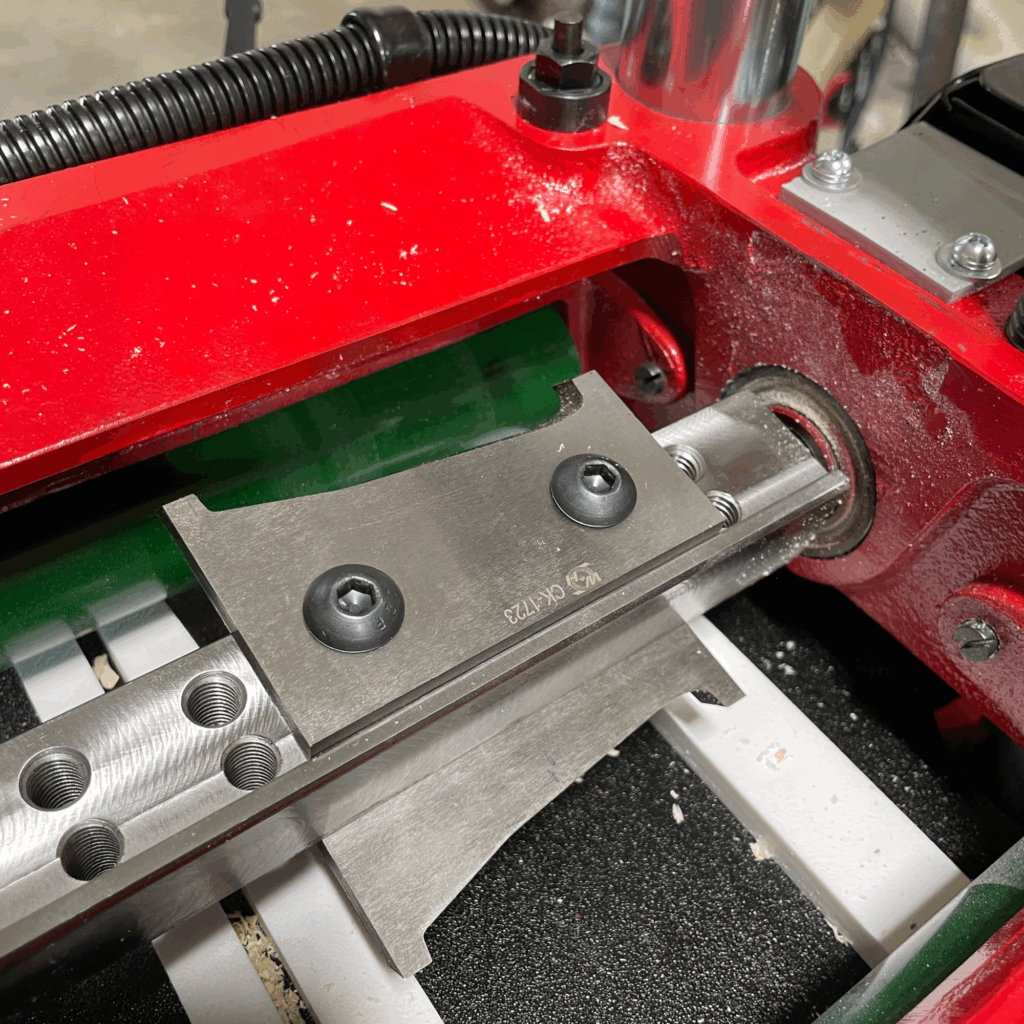
Incorrect knife height, guide alignment, or cutter head setup can introduce inconsistent cuts or vibration on a molder.
Inspect:
- Knife seating and bolt tightness
- Guide alignment and spacing
- Cutter head height relative to material thickness
Reducing Snipe and Improving Finish Quality
Snipe is a common symptom of inconsistent support or feeding issues and often appears at the leading or trailing end of a board. Addressing snipe usually improves overall cut consistency and reduces vibration at the same time.
Watch: How to Reduce Snipe on a Molder
Proper setup and support adjustments can dramatically improve finish quality and reduce waste. The video below walks through practical steps to help minimize or eliminate snipe on your molder.
In this video, you’ll learn:
- What causes snipe on a molder
- How to adjust infeed and outfeed support
- Blade and guide setup tips to improve finish quality
- Best practices for feeding and holding stock
- These techniques apply to both constant speed and variable speed Williams & Hussey molders and are useful for both new operators and experienced users troubleshooting finish issues.
To learn more about what causes snipe and how it affects your work, see this explanation of snipe in woodworking.
When to Recheck Setup Before Replacing Parts
Before assuming a mechanical failure, always confirm:
- Proper material support
- Correct feeding technique
- Accurate knife and guide setup
In many cases, inconsistent cuts, vibration, or snipe can be resolved through adjustment rather than part replacement.
For general machine setup standards and best practices, refer to ANSI’s overview of machinery safety standards.